

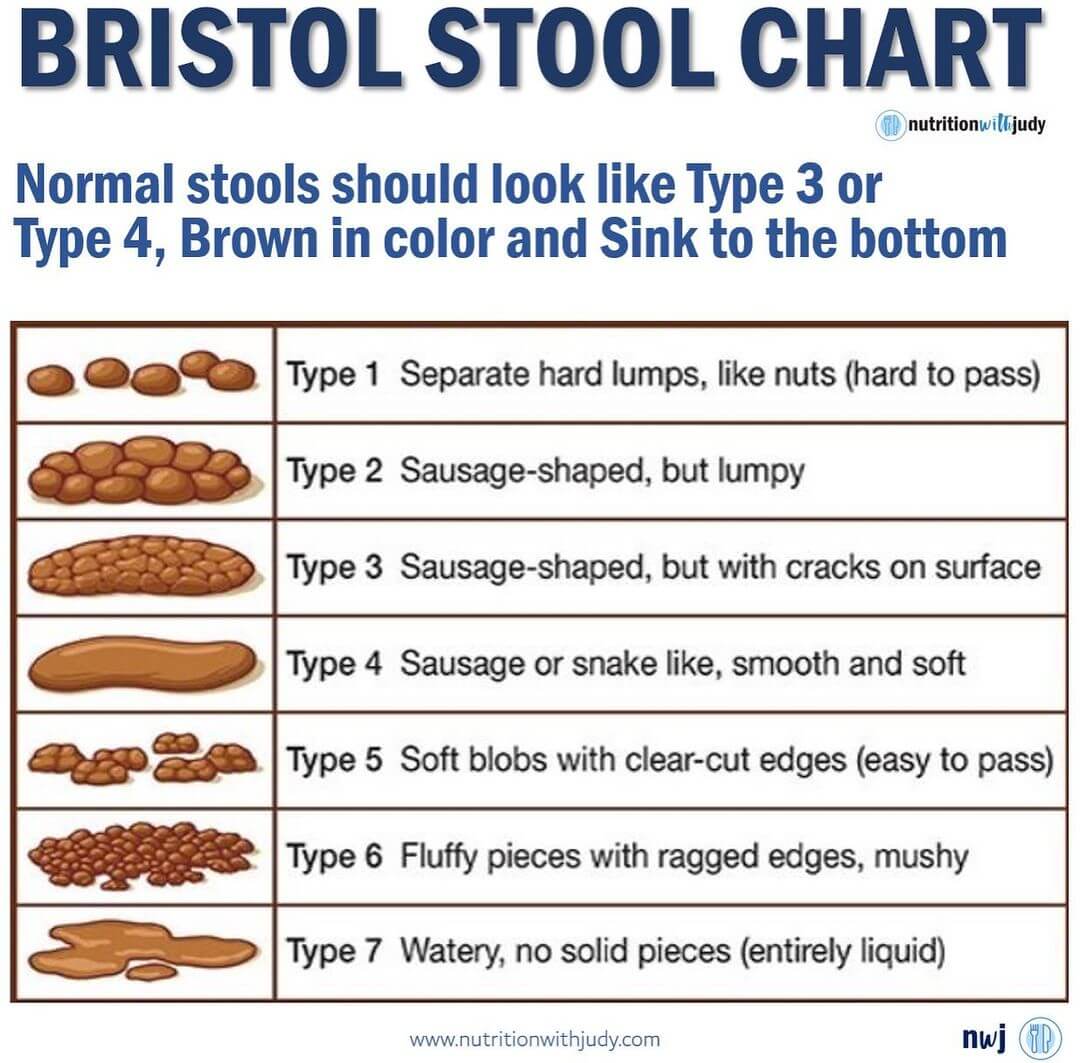
Microblog: The Bristol Stool Chart – Normal Stools Should Look Like Type 3 or Type 4
🟤Normal stools are brown in color, they always should sink to the bottom and they should be well-formed. On the bristol stool chart, you want to be around a Type 3 and Type 4.
🔎If you don’t have these types of stools, in this week’s NwJ newsletter, I walk you through many troubleshooting tips to find what may be causing some of your loose stools or your constipation.
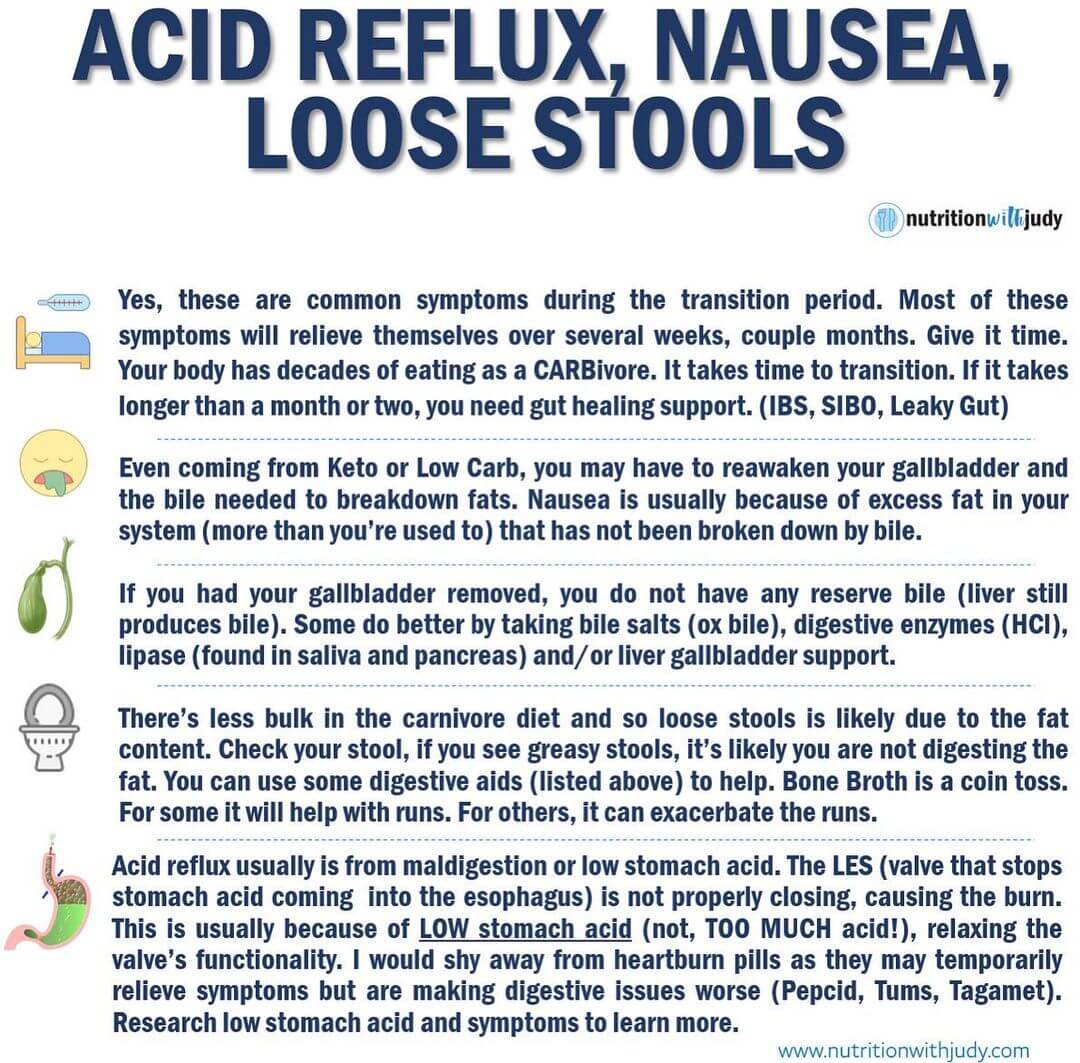
🧻By now, many of us know that loose stools are a sign of fat malabsorption. But if you experience nausea, floating or clay-colored stools, these are also signs of poor fat absorption.
🚽You also don’t want to be chronically constipated. Even if you are carnivore, you should go AT LEAST every few days. One of the ways we detox is through our stools. We should be going ideally, at least every 1-2 days.
⚠️And don’t rely on supports like magnesium citrate or extra vitamin C long-term. These are all temporary supports that don’t get to root cause.
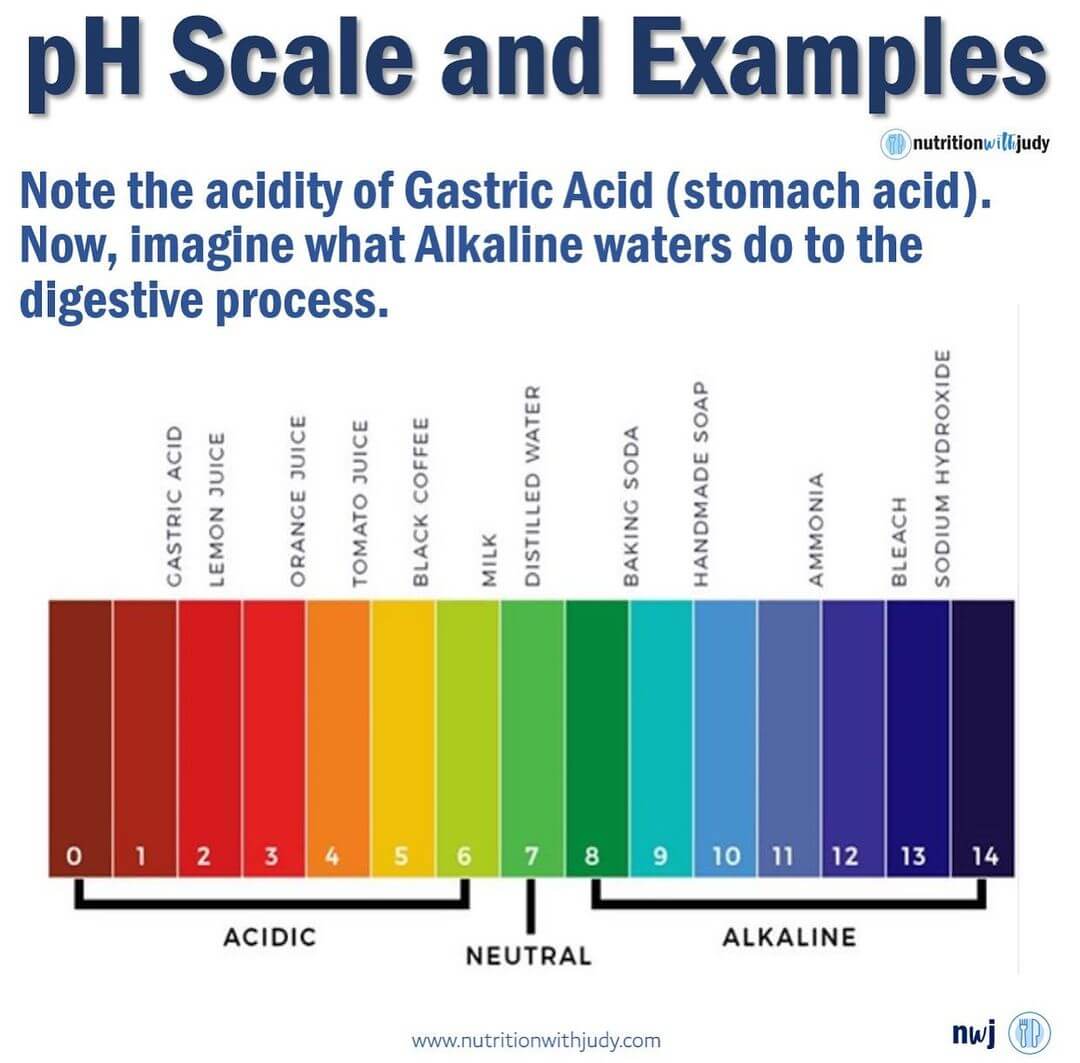
💦I also talk about pH levels for ideal digestion. Just another reason why I’’ not a fan of alkalize waters. It’s been an amazing marketing campaign.
📫Make sure to join the newsletter to read the full post and to get updates, discounts and freebies in the future.
🍃I also share about the upcoming @CarnivoreCure plant protocol database.



Carl
November 5, 2021 at 11:40 pmIf I have fat malabsorption and oily stools, what can be done to correct this?
Judy Cho
November 6, 2021 at 3:13 pmHi Carl, try intenzyme (2 during meal) which are proteolytic digestive enzyme, and beta plus (ox bile to help bile stimulation). IF you need more support, just let me know. Intenzyme: https://www.nutritionwithjudy.com/shopping/supplements/gut-health/intenzyme-forte/
and Beta Plus: https://www.nutritionwithjudy.com/shopping/supplements/gut-health/beta-plus/
janine newfield
March 14, 2023 at 10:24 pmHi Judy,
I’ve been doing high fat carnivore for nearly 2 months and have had light tan, (clay) colored floating stools, I also had some prior to carnivore. I don’t feel particularly gassy-rarely fart since being carnivore, and I have my gallbladder yet I decided to try some oxbile and it doesn’t look much better and only the occasional stool sinks. Is this something that sometimes or often corrects itself after being carnivore for months? I have had a bit of acid reflux for the first 6-7 weeks but that seems to have stopped. I have indulged in heavy cream and cheese and yogurt during my entire diet but am weaning off it.
Thanks for all you do, I enjoy your videos.
Janine
Anita
June 15, 2023 at 7:54 amI have been in carnivore for a little over 3 months. I have noticed in the past week a few stools that are very light in color. I searched a cause and read it could be a bile duct issue. Can you elaborate on whether this is carnivore related, temporary or worth having it checked by a doctor.