

How Inflammation Impacts CIRS
Inflammation is built right into the name Chronic Inflammatory Response Syndrome (CIRS), yet it’s still one of the most misunderstood parts of the condition. Conventional care typically treats inflammation as the problem itself: lower the inflammatory marker, suppress the immune response, manage the pain, calm the reaction.
But inflammation doesn’t happen for no reason.
It’s a biological alarm system designed to protect us when the body detects a threat. The real problem begins when that alarm keeps sounding long after it should have shut off, or when the source continuing to trigger it is never identified in the first place.
CIRS offers a powerful example of what can happen when an inflammatory response becomes persistent and dysregulated. In susceptible individuals, exposure to a water-damaged environment and other biotoxins may trigger an immune response that extends far beyond the initial exposure, affecting various systems throughout the body. The result can look like dozens of unrelated symptoms when, beneath the surface, many share the same inflammatory thread.
Some practitioners define this phenomenon as the Cell Danger Response (CDR) or Mitochondrial Damage/Collapse. The CDR describes a state in which cells and mitochondria shift from normal energy production, repair, and communication into a protective survival mode, altering metabolism, immune signaling, and cellular function in response to perceived injury, infection, toxins, or other stressors. Ultimately, there is an upstream driver that puts the body in a perpetual inflammatory state.
This is why simply asking, “How do we reduce inflammation?” is usually the wrong starting point.
A better question is: “Why does the body still believe it needs to be inflamed?”
Let’s explore how inflammation impacts CIRS, why the inflammatory response can become so widespread, what may keep it going, and why lasting recovery requires looking beyond symptom suppression to the upstream factors driving the response.
Key Takeaways
- CIRS-related inflammation can become chronic when the innate immune system remains activated even after the original biotoxin exposure has ended.
- CIRS inflammation can affect multiple systems at once, including the brain, mitochondria, hormones, gut, muscles, circulation, and nervous system.
- Blood markers such as C4a, MMP-9, TGF-β1, VEGF, MSH, and ADH/osmolality can provide important clues about inflammatory and regulatory dysfunction during CIRS treatment.
- The wide range of CIRS symptoms reflects downstream effects of the biotoxin pathway rather than a collection of completely unrelated health problems.
- Ongoing mold exposure, infections, MCAS, gut dysfunction, poor sleep, metabolic stress, environmental toxins, and other inflammatory inputs can make CIRS harder to resolve.
- Diet can play an important role in lowering inflammatory burden, with low-amylose, Carnivore, keto, and other individualized approaches offering different benefits depending on the patient.
- Anti-inflammatory supplements, peptides, VIP, oxygen therapies, sauna, red light therapy, and other adjuncts may support recovery but should not replace foundational CIRS treatment.
- An individualized Shoemaker Protocol remains a central framework for addressing the root causes of CIRS inflammation rather than simply suppressing symptoms.
- The larger lesson from CIRS is that inflammation is a signal, and lasting healing requires understanding why that signal remains active in the first place.
Pro-Tip: If you want to go deeper, Inflammation Fix explores CIRS and chronic inflammation in greater detail, including the many upstream factors that can keep the inflammatory response activated and practical strategies to support healing at different stages of recovery. Whether you are newly navigating inflammation or have been working on root causes for years, the book is designed to help you better understand what may be driving your symptoms and where to focus next.

What Is Inflammation?

Inflammation is one of the body’s built-in defense mechanisms. When the immune system detects something potentially harmful, it releases chemical messengers that coordinate a protective response. These signals help recruit immune cells, support tissue repair, and create the conditions the body needs to respond to a perceived threat. Inflammation itself isn’t inherently harmful; it’s an important biological process that helps protect and restore the body.
Acute Inflammation vs. Chronic Inflammation

Acute inflammation is the body’s short-term response to an immediate threat, such as an injury, infection, or irritant. It typically develops quickly and is designed to help contain the problem, clear damaged tissue or pathogens, and support healing. Once the threat has been addressed, inflammatory signaling should gradually decrease, and the body can return toward balance.
Chronic inflammation occurs when that inflammatory response continues for an extended period of time. This can happen when the original trigger remains present, the body is repeatedly exposed to inflammatory stressors, or normal mechanisms responsible for resolving inflammation are disrupted. Instead of completing the normal cycle of defense and recovery, the immune system can remain persistently activated, creating an ongoing inflammatory state.
Why Chronic Inflammation Can Affect the Entire Body

Chronic inflammation can affect the entire body because the immune system communicates through chemical messengers that travel through the bloodstream and interact with many different tissues and organs.
When inflammatory signaling stays elevated, it can influence how cells function across multiple systems, including the brain, metabolism, hormones, digestion, circulation, and musculoskeletal health. This is why chronic inflammation can contribute to a wide range of seemingly unrelated symptoms rather than staying confined to one area of the body.
What Is CIRS?
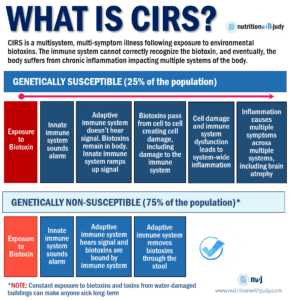
Chronic Inflammatory Response Syndrome (CIRS) is a complex, multisystem condition characterized by perpetual dysregulation of the innate immune system following exposure to certain biological or environmental triggers.
It is most commonly associated with water-damaged buildings, where individuals may be exposed to a mixture of mold, mycotoxins, bacterial endotoxins, actinomycetes, beta-glucans, volatile organic compounds, and other microbial or inflammatory compounds.
Other biotoxin exposures that can trigger or exacerbate CIRS include:
- Tick-borne and vector-borne infections (e.g., Lyme, recluse spider bites)
- Pfiesteria and ciguatoxins from contaminated seafood
- Cyanobacteria and dinoflagellates from algal blooms
- Certain chronic viral infections, vaccines, and various other conditions including traumatic brain injury (TBI), pregnancy, and virtually anything that can trigger an inflammatory response

Once this inflammatory response has been activated, several factors can continue to aggravate symptoms or add to the body’s overall inflammatory burden. Since CIRS typically involves multiple systems at once, symptoms can fluctuate considerably depending on an individual’s exposures, overall health, and cumulative inflammatory load.
CIRS vs. Mold Exposure, Allergy, Colonization, and Invasion

Mold-related health effects exist on a spectrum, and exposure, allergy, colonization, invasive disease, and CIRS describe very different biological processes.
Simply being exposed to mold can cause temporary, acute symptoms in some individuals, while CIRS refers to a more chronic, multisystem inflammatory response that can continue even after the original exposure has ended.
| Condition | What It Means | How It Differs |
| Mold Exposure | Breathing in or coming into contact with mold spores, fragments, and other compounds from a mold-contaminated environment. | Exposure may cause short-term symptoms such as irritation, headaches, fatigue, congestion, or respiratory complaints that usually improve after leaving the environment. Exposure alone doesn’t mean someone has CIRS. |
| Mold Allergy | An IgE-mediated allergic immune reaction to specific mold proteins or spores. | Symptoms commonly resemble other environmental allergies, including sneezing, itchy or watery eyes, congestion, wheezing, and asthma symptoms. This is primarily an allergic response rather than the broader immune dysregulation associated with CIRS. |
| Mold Colonization | Mold or fungi establish themselves and grow on or within any bodily surface, such as the sinuses, lungs, skin, or gastrointestinal tract, without necessarily invading surrounding tissue. | The organism is physically present in the body, whereas CIRS doesn’t require fungal growth or colonization to develop. Although colonization can overlap more commonly in CIRS patients. |
| Invasive Mold Disease | Fungal organisms invade tissue and may spread into the lungs, bloodstream, brain, or other organs. | This is a serious infection that requires urgent medical treatment. It is distinct from both environmental mold exposure and CIRS. |
| CIRS | A chronic, multisystem inflammatory condition in which exposure to certain biotoxins or water-damaged environments triggers consistent dysregulation of the innate immune response. | Unlike a temporary reaction to exposure, CIRS involves an inflammatory response that may remain active after someone leaves the original environment and can affect multiple systems throughout the body. |
It’s possible to have overlapping conditions in one individual as well as only having one mold-related condition without any others. While removing mold exposure is essential for all of these conditions, treatment varies significantly.
Why Some Individuals Become Sick While Others Don’t

Not everyone exposed to the same environment will develop the same symptoms or degree of illness. Within the Shoemaker CIRS framework, genetic susceptibility, particularly certain HLA types involved in immune recognition and response, is considered an important risk factor. More than 95% of confirmed CIRS cases described by Shoemaker practitioners have been reported to carry one of the associated HLA susceptibility patterns; however, approximately 5% don’t, meaning the absence of a recognized susceptibility genotype doesn’t rule out the possibility of developing CIRS.
Genetics also represents only one piece of the broader mold-health picture.
Immune health, the intensity and duration of exposure, underlying infections or chronic illness, nutritional and metabolic health, and an individual’s cumulative environmental or toxin burden can all influence how well the body responds to and recovers from an exposure.
These factors can also affect susceptibility to other mold-related conditions, even when someone doesn’t fit the genetic profile commonly associated with CIRS. This helps explain why two individuals sharing the same home or workplace can have dramatically different experiences following the same apparent exposure.
Pro-Tip: In our clinical practice, we’ve seen that mold-related health consequences can affect anyone under the right circumstances, particularly when exposure is significant or prolonged or someone’s health is already compromised. For this reason, we believe healthy indoor air quality should be treated as a foundational pillar of health for everyone—not only individuals who know they have genetic susceptibility to CIRS.
What Is the Shoemaker Protocol?

Dr. Ritchie Shoemaker is a physician and researcher who pioneered much of the early clinical work surrounding biotoxin-related illness and CIRS. Beginning with patients affected by Pfiesteria exposure in the 1990s, he went on to develop a framework for identifying the multisystem inflammatory patterns now associated with CIRS, particularly those connected with water-damaged buildings.
His work ultimately led to the development of the Shoemaker Protocol, a structured, stepwise approach designed to identify and correct the underlying abnormalities associated with CIRS.
The Shoemaker Protocol typically begins with removing ongoing exposure and then progresses through individualized steps that include prescription binders, addressing specific inflammatory and hormonal abnormalities, treating certain colonization patterns when present, and using therapies such as VIP only when appropriate criteria are met.
Pro-Tip: Since CIRS can present very differently from individual to individual, we believe a personalized Shoemaker-based protocol should serve as the foundation of CIRS treatment, rather than applying every step identically to every patient. At the same time, there are many useful adjunct therapies and different schools of thought within mold and environmental medicine that can complement this foundation and play an important role in comprehensive CIRS care.
Why Does CIRS Cause Chronic Inflammation?
CIRS can drive chronic inflammation because the immune system remains persistently activated by perceived biotoxin-related threats, disrupting the normal process that should allow the inflammatory response to resolve.
Exposure and the Innate Immune System

The innate immune system is the body’s rapid, first-line defense against potential threats. Unlike the adaptive immune system, which develops highly specific responses to particular pathogens, innate immunity uses pattern-recognition systems to quickly identify signals associated with microbes, toxins, cellular damage, and other potentially harmful substances.
When these signals are detected, immune cells release inflammatory messengers and activate pathways designed to contain the threat and protect surrounding tissues.

In CIRS, this initial immune activation is commonly associated with exposure to water-damaged buildings, which can contain a complex biochemical stew. These exposures can stimulate innate immune pathways, including complement activation and inflammatory cytokine signaling, setting the inflammatory response in motion.
The Inability to Resolve Immune Activation

A healthy immune response is designed to activate when a threat is detected and then settle once that threat has been removed. In CIRS, the problem is that the innate immune system fails to appropriately shut that response down. Exposure to water-damaged buildings and other biotoxins can trigger persistent immune dysregulation, allowing inflammatory signaling to continue even after the original exposure has ended.
This helps explain why leaving a mold-damaged environment is necessary but unlikely to be sufficient for recovery. Once immune signaling remains chronically activated, the body can continue behaving as though a threat is still present, contributing to significant multisystem symptoms and abnormalities in inflammatory and regulatory pathways.
The issue becomes less about a single exposure event and more about the body’s impaired ability to recognize that the threat has passed and return immune activity back to baseline.
How CIRS Creates an Inflammatory Feedback Loop

Once immune activation becomes persistent, inflammation itself can begin generating additional signals that keep the response going. Activated innate immune pathways release inflammatory mediators that recruit and stimulate additional immune cells, which can then release more cytokines and other signaling molecules.
Instead of mounting a response, resolving the threat, and returning to baseline, the system can become caught in a self-reinforcing cycle of immune activation and inflammation.
Over time, this ongoing signaling can affect vascular function, hormone regulation, energy production, neurological function, and other systems involved in maintaining homeostasis. Those downstream disruptions can then create additional physiological stress that feeds back into inflammatory signaling, helping explain why CIRS can become a multisystem illness rather than remaining a localized response to the original exposure.
The result is a cycle in which inflammation contributes to dysfunction, and that dysfunction can make it harder for the body to fully resolve the inflammatory state.
The Inflammatory Pathways Commonly Evaluated in CIRS

Since CIRS can involve constant dysregulation across multiple inflammatory and regulatory pathways, practitioners commonly evaluate a panel of blood markers as part of the diagnostic picture and then repeat selected markers over time to help track whether treatment is moving those pathways back toward a healthier range.
C4a and Complement Activation

C4a is a small inflammatory fragment produced when the complement system, part of the innate immune system’s rapid-response network, is activated. Complement helps recognize threats, recruit immune cells, and amplify inflammation, but perpetual activation can become part of the broader inflammatory picture evaluated in CIRS.
Elevated C4a is commonly used as one marker of excessive complement activation and is usually followed alongside other inflammatory markers during treatment. However, C4a isn’t specific to CIRS and can rise in other inflammatory, infectious, and autoimmune conditions, so it should always be interpreted within the larger clinical picture.
C3a, another complement activation fragment, may also be abnormal in certain infectious or inflammatory states, including some presentations of Lyme disease and other vector-borne illnesses. The pattern isn’t consistent enough to use diagnostically on its own: research has reported elevations of C3a in acute Lyme and within the cerebrospinal fluid of patients with neuroborreliosis, whereas one study of patients described as having chronic Lyme found normal C3a despite elevations in C4a in a subgroup. For that reason, an elevated C3a may add context when vector-borne illness is already suspected, but a normal C3a doesn’t rule out Lyme disease, nor does an abnormal result confirm it.
Pro-Tip: In terms of CIRS, C4a can be directly tied to biotoxin exposure and begin to rise after 15 minutes of exposure. In addition to getting out of exposure and managing excess histamines, daily movement, high-quality fish oils, specialized pro-resolving mediators (SPMs), and the last step of the Shoemaker Protocol, VIP therapy, can also help reduce elevated C4a. [/vc_column_text]
MMP-9 and Tissue Inflammation

Matrix metalloproteinase-9 (MMP-9) is an enzyme involved in breaking down and remodeling the extracellular matrix—the structural framework surrounding cells and tissues. It is released by immune cells including neutrophils and macrophages during inflammation and plays a normal role in wound healing, immune-cell movement, and tissue repair.
In CIRS, persistent innate immune activation and inflammatory signaling can drive MMP-9 higher than normal, making it one of the inflammatory markers commonly evaluated alongside other CIRS-related biomarkers. Elevated MMP-9 can therefore provide another clue that inflammatory and tissue-remodeling pathways remain activated and can be followed over time to see whether that pattern improves with treatment.
MMP-9 is particularly relevant neurologically because excessive activity can degrade components of the extracellular matrix and vascular basement membrane that help maintain the blood-brain barrier. Higher MMP-9 activity has been associated with increased blood-brain barrier permeability in several inflammatory and neurological conditions, potentially allowing circulating inflammatory mediators and immune cells greater access to the brain environment.
However, MMP-9 isn’t specific to CIRS. It can rise with infections, autoimmune and inflammatory diseases, vascular injury, neurological disease, tissue damage, Lyme, mast cell activation syndrome (MCAS), and other inflammatory stressors, so an elevated result alone can’t diagnose mold illness or CIRS by itself. Broader physiologic stress and toxic or infectious exposures may also contribute indirectly by increasing inflammatory signaling.
Pro-Tip: Elevated MMP-9 can sometimes normalize as the underlying CIRS drivers are addressed, so treatment should focus first on correcting the causes of chronic inflammation rather than chasing the laboratory value alone. In our practice, we may also consider anti-inflammatory and pro-resolving support such as high-quality omega-3 fish oils and specialized pro-resolving mediators (SPMs); omega-3 interventions have reduced MMP-9 in some clinical and experimental settings, although results aren’t consistent across all populations. We also commonly recommend a high-fat Carnivore diet to support metabolic health and reduce dietary inflammatory inputs. VIP therapy may also help normalize the broader inflammatory and neuroimmune pattern, including elevated MMP-9 as the illness resolves.
TGF-β1 and Immune Regulation

Transforming growth factor beta-1 (TGF-β1) is a signaling protein involved in immune regulation, tissue repair, cell growth, and remodeling. With CIRS, elevated TGF-β1 is commonly evaluated as a marker of persistent immune dysregulation. Abnormal TGF-β signaling can disrupt the balance between regulatory T cells and inflammatory Th17 responses, while prolonged elevation can promote excessive tissue remodeling and fibrosis, making stubborn elevations important to address rather than viewing them as inflammation alone.
Like the other CIRS biomarkers, TGF-β1 isn’t specific to CIRS.
Levels may be influenced by acute infection or illness, tissue healing, pregnancy, autoimmune disease, inflammatory bowel disease, asthma and chronic lung conditions, liver disease, acute Lyme disease, and other inflammatory or environmental stressors. This is why we never interpret TGF-β1 in isolation.
In some CIRS patients, levels improve after exposure removal and adequate treatment with prescription binders such as cholestyramine or Welchol; when abnormalities persist, later stages of the Shoemaker Protocol address this pathway, and published CIRS research has reported improvement in TGF-β1 with intranasal VIP therapy.
Pro-Tip: If TGF-β1 remains elevated, it’s worth looking for additional inflammatory or environmental contributors rather than simply treating the marker. Depending on the individual, supportive options we may consider include zinc, resveratrol, L-carnitine, sunlight/UV exposure, black cumin seed oil, or other targeted therapies; compounds such as berberine can have antimicrobial effects and should be discussed with a practitioner before use. Environmental exposures, including agricultural chemicals such as atrazine, may also warrant consideration when clinically relevant.
VEGF and Tissue Oxygenation

Vascular endothelial growth factor (VEGF) is a signaling protein that helps stimulate new blood-vessel formation and improve vascular supply when tissues are not receiving enough oxygen. Low oxygen stabilizes hypoxia-inducible factor (HIF), which in turn stimulates VEGF production as part of the body’s attempt to restore blood flow and oxygen delivery.
Inflammatory activity can impair microcirculation and tissue oxygenation. VEGF may initially rise in response to this hypoxic stress and then become abnormally low in some patients. When VEGF is low, reduced microvascular support may contribute to poorer tissue oxygen delivery, earlier reliance on anaerobic metabolism, mitochondrial stress, reduced exercise tolerance, and post-exertional fatigue.
VEGF is checked in CIRS to help assess this vascular and oxygenation component of the illness and to follow whether it normalizes with treatment, but abnormal VEGF also isn’t specific to CIRS. VEGF can be elevated in cancer, inflammatory and vascular diseases, tissue injury, mast cell dysregulation, MCAS, and other states involving hypoxia or angiogenesis, so it must be interpreted alongside symptoms and the rest of the CIRS panel.
In the Shoemaker Protocol, abnormal VEGF may improve as exposure, inflammation, and other upstream abnormalities are addressed; if it remains low, carefully progressed exercise may be introduced to stimulate vascular adaptation, while later-stage intranasal VIP and other individualized supports may also be considered.
MSH and Inflammatory Regulation

Melanocyte-stimulating hormone (MSH) is a neuroregulatory hormone involved in inflammatory control, sleep, pain signaling, hormonal balance, fluid regulation, and immune function. Inflammatory cytokines can disrupt leptin signaling and contribute to abnormally low MSH.
Low MSH is associated with a wide range of downstream effects, including disturbed sleep and melatonin rhythms, abnormalities in ADH/AVP and osmolality that may contribute to excessive thirst and urination, increased inflammatory signaling and T-cell dysregulation, greater pain sensitivity, impaired gut-barrier function, lower androgen levels, leptin-related weight gain, and increased susceptibility to nasal colonization with MARCoNS.
MSH is evaluated because it provides another window into the neuroimmune and hormonal dysregulation that can accompany CIRS, but it should be interpreted alongside symptoms and the broader biomarker pattern. Low VIP is also commonly described within the CIRS biotoxin pathway, and later-stage intranasal VIP therapy may help improve downstream regulatory abnormalities, including low MSH, as the broader inflammatory response resolves.
Pro-Tip: Theoretically, there may be alternative ways to support low MSH, but in our clinical practice this can be one of the more stubborn markers. We sometimes see MSH remain below the expected range even in patients who have successfully completed CIRS treatment, feel well, and are clinically in remission. Some of our patients and clients have also experimented with peptides intended to support MSH signaling, but these individual n=1 experiences have produced mixed results—another reason we prioritize the patient’s overall recovery rather than chasing a single laboratory value.
ADH, Osmolality, and Fluid Regulation

Antidiuretic hormone (ADH), also called vasopressin, helps the kidneys regulate how much water the body retains, while serum osmolality reflects how concentrated the blood is based largely on water, sodium, glucose, and other dissolved particles. Normally, rising osmolality stimulates ADH release so the kidneys conserve water and concentrate the urine.
Disrupted neuroendocrine signaling can create an inappropriate relationship between ADH and osmolality, contributing to excessive thirst, frequent urination, nighttime urination, dehydration, fluctuations in sodium, dizziness, palpitations, and orthostatic or POTS-like symptoms.
Rather than interpreting either value alone, CIRS practitioners commonly look at ADH in relation to serum osmolality and follow the pattern as treatment progresses. Abnormalities aren’t specific to CIRS and can occur with dehydration, kidney disease, medications, endocrine disorders, head injury, diabetes insipidus, SIADH, and other conditions affecting fluid balance, making the broader clinical context essential.
Pro-Tip: In our clinical experience, ADH and osmolality abnormalities often improve on their own as exposure and the broader CIRS inflammatory response are successfully treated. We also see some Carnivore and keto dieters who struggle to balance electrolytes no matter how much sodium, potassium, or magnesium they adjust; in some cases, eating fewer carbs and retaining less water may simply unmask an underlying ADH/osmolality problem that was already affecting fluid regulation. For persistent electrolyte, excessive thirst, or frequent urination concerns, we offer ADH and osmolality testing to help determine whether impaired water balance may be contributing.
For stubborn symptoms, desmopressin, a prescription medication that mimics vasopressin and reduces urinary water loss, may be considered in select cases, although we have seen mixed results. Since desmopressin can cause excessive water retention and potentially dangerous low sodium, it requires appropriate clinician supervision and electrolyte monitoring.
How Inflammation Impacts the Brain in CIRS
In CIRS, chronic inflammatory signaling can extend beyond the immune system and affect the brain, disrupting neurological function, hormone regulation, blood flow, and the body’s ability to maintain normal cognitive and autonomic balance.
Neuroinflammation and Related Symptoms

Neuroinflammation refers to inflammatory activity within the brain and central nervous system. Continual systemic immune activation can contribute to inflammatory signaling that affects neurological function, helping explain why cognitive and sensory symptoms are commonly such a prominent part of the illness. Published CIRS research has documented neurological and executive-function complaints alongside measurable brain-volume differences in patients exposed to water-damaged buildings.
For patients, this may show up as brain fog, difficulty concentrating or finding words, short-term memory problems, headaches, dizziness, altered sensation, or reduced mental stamina.
Inflammation and the Blood-Brain Barrier

The blood-brain barrier (BBB) is a highly selective protective layer that regulates what can move from the bloodstream into the brain. During persistent inflammation, cytokines and enzymes such as MMP-9 can disrupt the tight junctions and structural proteins that help maintain this barrier, increasing its permeability. When that happens, inflammatory mediators and immune cells may gain greater access to the brain environment and further amplify neuroinflammation.
This increased permeability is another way ongoing systemic inflammation can have more pronounced neurological effects. A compromised BBB may allow peripheral immune activity to interact more directly with the central nervous system, making it harder for neurological inflammation to fully settle.
Inflammation, Mood, and Stress Tolerance

Constant inflammation can also influence the brain systems involved in mood, motivation, and the stress response. Pro-inflammatory cytokines such as IL-6 and TNF-α can affect neurotransmitter signaling and activate stress-responsive hormonal pathways, which may contribute to irritability, anxiety, low mood, emotional volatility, or a reduced ability to tolerate everyday stress.
For someone with CIRS, this means emotional symptoms may be partly intertwined with the underlying inflammatory state rather than existing as a completely separate issue. Chronic inflammation and stress can also influence one another bidirectionally, potentially making patients feel more easily overwhelmed or less resilient during periods of symptom flares.
CIRS, Limbic System, and Nervous System Dysregulation

The limbic system includes interconnected brain regions involved in threat detection, memory, emotional processing, and regulation of the stress response. These circuits communicate closely with the hypothalamus and autonomic nervous system, helping determine whether the body shifts toward sympathetic fight-or-flight activity or returns toward a parasympathetic rest-and-repair state. Persistent inflammatory signaling can influence these same brain networks, creating a physiological environment in which the brain becomes more sensitive to internal symptoms and perceived environmental threats.
Within CIRS, ongoing inflammation, repeated symptom flares, disrupted sleep, and prior reactions to water-damaged environments may reinforce this threat response over time. The nervous system can become increasingly reactive, making it harder to shift out of survival mode even as other aspects of the illness improve.
Pro-Tip: Our private practice, Empower Functional Health, developed our comprehensive Wholeness Method mind-body program specifically to support complex chronic illness cases like CIRS. With dozens of personalized tools and supports, you can create the right nervous system regulation plan to better support yourself through treatment and beyond.
How CIRS Inflammation Impacts Energy and Mitochondrial Function

Mitochondria are responsible for producing most of the body’s usable cellular energy in the form of ATP. Consistent inflammatory signaling can interfere with this process by disrupting the mitochondrial electron transport chain and oxidative phosphorylation, reducing how efficiently cells convert nutrients and oxygen into energy.
Cytokines such as TNF-α and IL-1β have been shown to impair mitochondrial respiration and ATP production, which may help explain the profound loss of energy and reduced stamina that can accompany chronic inflammatory states.
Inflammation can also increase mitochondrial production of reactive oxygen species, creating oxidative stress that further damages mitochondrial membranes, proteins, and mitochondrial DNA. As mitochondrial function declines, damaged mitochondria can release additional inflammatory signals, potentially reinforcing the same immune activation that impaired energy production in the first place.
The relationship between chronic inflammation and reduced cellular energy production in CIRS may contribute to the characteristic sense that the body simply can’t generate or sustain energy normally, even when adequate fuel is available.
Pro-Tip: In our clinical practice, some patients and clients report symptomatic benefit from oxygen-based therapies such as hyperbaric oxygen therapy (HBOT) and ozone-based treatments including EBOO. These may be considered complementary adjuncts for supporting energy, oxygen delivery, and overall symptom management in select cases, but they don’t replace foundational CIRS treatment, exposure removal, or addressing the underlying inflammatory drivers.
How Inflammation Impacts Hormones and Metabolism in CIRS
Perpetual inflammatory signaling can disrupt the communication networks that regulate hormones and other functions, which may contribute to broader metabolic dysfunction as the illness progresses.
Inflammation and Leptin Signaling

Leptin is a hormone produced primarily by fat cells that signals the hypothalamus to help regulate energy balance and coordinate multiple neuroendocrine functions. Perpetual inflammatory cytokine production interferes with leptin receptor signaling, creating a pattern of leptin resistance in which the brain does not respond normally to the hormone’s signal. As a result, circulating leptin may become elevated even though its downstream signaling is impaired.
This disruption matters beyond leptin itself because leptin communicates with other regulatory pathways, including those involved in MSH and hypothalamic function.
Abnormal leptin signaling can therefore become another link between ongoing inflammation and broader neuroendocrine dysregulation, making leptin useful as part of the overall biomarker pattern rather than as a stand-alone marker of CIRS.
Pro-Tip: GLP-1 microdosing is currently being explored as a potential adjunct in CIRS, including for patients with leptin resistance and broader metabolic dysregulation. However, GLP-1 medications and other peptides are recommended for everyone, and their use should be highly individualized under the guidance of a knowledgeable practitioner.
Inflammation, Appetite, and Weight Changes

Chronic inflammation can disrupt the brain and hormonal signals that regulate hunger, satiety, and energy balance. Altered leptin signaling and hypothalamic dysfunction may make appetite cues less reliable, contributing to increased hunger or reduced appetite, cravings, difficulty feeling satisfied, and weight changes that do not always respond predictably to diet or exercise.
These effects can vary significantly between patients, with some struggling with resistant weight gain while others unintentionally lose weight or have difficulty maintaining adequate intake as the broader inflammatory illness progresses.
Sleep and Circadian Disruption

Persistent inflammation can interfere with the brain signals that regulate the sleep-wake cycle, including melatonin production, cortisol rhythms, and other circadian cues. This may contribute to difficulty falling asleep, frequent waking, unrefreshing sleep, or feeling tired at the wrong times of day, which can further reduce resilience and make it harder for the body to recover from ongoing inflammatory stress.
How CIRS Inflammation Impacts the Gut

The intestinal lining is highly responsive to immune signaling, so continual inflammation can directly affect the gut barrier. Pro-inflammatory cytokines such as TNF-α, IL-1β, and IFN-γ can disrupt the tight-junction proteins that hold intestinal cells together, increase intestinal permeability, alter the protective mucus layer, and interfere with normal epithelial repair.
As barrier integrity declines, more microbial products and other compounds can interact with immune cells beneath the intestinal lining, potentially generating additional inflammatory signaling and placing further stress on an already activated immune system.
Inflammation can also interfere with the enteric nervous system and gastrointestinal motility, changing how efficiently food moves through the stomach and intestines. Cytokines can alter smooth-muscle contraction and nerve signaling within the digestive tract, while changes in intestinal blood flow and tissue function may further affect digestion and nutrient absorption.
Finally, chronic inflammation can alter the intestinal environment itself, including the composition of the gut microbiome and normal bile-acid signaling. Because bile acids, intestinal microbes, the epithelial barrier, and the immune system continuously influence one another, disruption in one area can reinforce dysfunction in the others.
Why Food Sensitivities, SIBO, SIFO, and Other Gut Infections Can Be Common

In addition to inflammation, low MSH can contribute to impaired gut-barrier integrity, making the intestinal lining more permeable and reactive.
When that barrier is compromised, food proteins, microbial products, and other compounds can interact more readily with the immune system, which may increase the likelihood of new or worsening food sensitivities. Chronic inflammation’s effects on the gut can create a more vulnerable intestinal environment.
That altered terrain may also make it easier for bacteria or fungi to persist where they normally would be kept in check, contributing to conditions such as small intestinal bacterial overgrowth (SIBO), small intestinal fungal overgrowth (SIFO), dysbiosis, or recurrent gut infections.
Pro-Tip: CIRS treatment timing matters. Co-infections and comorbidities typically need to be addressed in a specific order based on the individual, and treating everything at once can increase cost, reduce tolerance, and make it harder to know what is actually helping. A personalized sequence can improve effectiveness while minimizing unnecessary interventions and wasted resources.
How Inflammation Impacts Muscles, Joints, and Physical Recovery in CIRS

Constant inflammation can directly affect skeletal muscle by altering protein turnover, mitochondrial energy production, and the signaling required for normal tissue repair. Pro-inflammatory cytokines such as TNF-α and IL-6 can promote catabolic pathways and interfere with muscle regeneration, potentially contributing to weakness, reduced exercise capacity, muscle aches, and slower recovery after physical activity.
Acute inflammation is necessary for normal muscle repair, but when inflammatory signaling remains chronically elevated, the body may have a harder time completing the transition from tissue breakdown to rebuilding.
Similar inflammatory signaling can increase pain sensitivity and contribute to discomfort or stiffness in muscles, connective tissues, and joints. These effects may be compounded by impaired cellular energy production and reduced physical activity during prolonged illness, making patients feel increasingly deconditioned and less exercise-tolerant.
Pro-Tip: We recommend tolerated movement and exercise throughout all stages of CIRS rather than waiting until later phases of treatment or for every symptom to resolve. Appropriate movement can support circulation and lactate clearance after exertion, while exercise also increases brain-derived neurotrophic factor (BDNF) and supports neuroplasticity pathways associated with neurogenesis. The key word is tolerated: for one individual this may mean several minutes of slow walking, while another may tolerate resistance training or longer aerobic exercise. The goal is progressive movement that supports recovery without repeatedly triggering significant crashes or prolonged symptom flares.
How CIRS Inflammation Impacts the Cardiovascular and Circulatory Systems

Persistent inflammation can affect the endothelium, the thin layer of cells lining blood vessels that helps regulate vascular tone, blood flow, clotting, and the movement of nutrients and oxygen into tissues.
Pro-inflammatory cytokines can reduce nitric oxide availability and promote endothelial dysfunction, making vessels less able to dilate normally while shifting the vascular environment toward greater inflammation and coagulation. These changes may impair circulation and tissue perfusion even before a conventional cardiovascular diagnosis is present.
These effects may overlap with abnormalities already discussed, including impaired microcirculation, altered VEGF signaling, and inflammatory activation of the vascular system. Inflammation can increase the tendency of white blood cells and platelets to interact with the vessel lining and shift the normal balance between clot formation and breakdown, potentially compromising blood flow through smaller vessels.
The cardiovascular picture in CIRS therefore may reflect more than traditional risk factors alone; inflammatory burden, vascular function, metabolic health, immune activation, and other individual factors can all contribute.
Pro-Tip: In our clinical practice, we have seen many patients following strict Carnivore, meat-based, or keto diets whose cardiovascular lab profiles look very different from what we would expect based on their diet and lifestyle alone. This can occur within the broader inflammatory picture of CIRS, and we often see portions of that profile improve as the underlying illness is successfully treated. However, abnormal cardiovascular markers should never automatically be attributed to CIRS or assumed to resolve on their own—depending on the individual, other cardiovascular and lifestyle supports may still be necessary.
CIRS Inflammatory Symptoms

CIRS is classically associated with 37 symptoms organized into 13 symptom clusters, which were grouped statistically rather than by organ system to help identify the characteristic multisystem pattern of biotoxin illness.
These symptoms are understood as downstream manifestations of the biotoxin pathway and various systems impacted; having symptoms across multiple clusters is used as one part of the broader diagnostic assessment.
The 13 CIRS symptom clusters include:
- Cluster 1: Chronic fatigue
- Cluster 2: Generalized weakness, body aches, headaches, light sensitivity, and difficulty learning or assimilating new information
- Cluster 3: Memory impairment and difficulty finding words
- Cluster 4: Difficulty concentrating or maintaining focus
- Cluster 5: Joint pain, morning stiffness, and muscle cramps
- Cluster 6: Unusual skin sensitivity, tingling or pins-and-needles sensations, tremors, and unusual pain
- Cluster 7: Shortness of breath and sinus congestion
- Cluster 8: Cough, excessive thirst, and confusion
- Cluster 9: Appetite swings, difficulty regulating body temperature, and increased urinary frequency
- Cluster 10: Red eyes, blurred vision, night sweats, mood swings, and sharp or “ice-pick” pain
- Cluster 11: Abdominal pain, diarrhea, and numbness
- Cluster 12: Excessive tearing or watery eyes, disorientation, and a metallic taste
- Cluster 13: Static-shock sensations and vertigo or dizziness
Other Symptoms That Can Occur With CIRS

The 37-symptom roster doesn’t capture every problem an individual with CIRS may experience. Additional symptoms can emerge from the inflammatory, mitochondrial, hormonal, autonomic, gastrointestinal, and nervous-system changes discussed throughout this article, although these aren’t part of the formal 13-cluster screening tool.
These may include:
- Unrefreshing sleep, insomnia, or disrupted sleep-wake rhythms
- Exercise intolerance or disproportionate symptom flares after exertion
- Lightheadedness or orthostatic intolerance, including POTS-like symptoms
- Heart palpitations or abnormal awareness of heartbeat
- Stubborn brain fog or reduced mental stamina beyond the formal cognitive clusters
- Anxiety, depression, irritability, mania, hypochondria, heightened reactivity, or reduced stress tolerance
- Unexplained weight gain, weight loss, or difficulty changing weight despite dietary changes
- Irritable bowel disease, bloating, constipation, reflux, nausea, or increased food reactivity
- New or worsening food, chemical, odor, or environmental sensitivities
- Hormonal symptoms such as reduced libido, menstrual changes, or low-androgen symptoms
- Skin reactions such as itching, flushing, or rashes
- Persistent fatigue or delayed physical recovery that feels disproportionate to activity
- Tinnitus and other ear symptoms
These additional symptoms are particularly important clinically because CIRS rarely presents the same way in two individuals.
What Can Make CIRS-Related Inflammation Worse?

Ongoing or repeated biotoxin exposure remains the primary driver that must be addressed in CIRS, but it’s uncommonly the only source of inflammatory stress affecting the body.
Factors that may worsen CIRS-related inflammation include:
- Continued mold or water-damaged-building exposure, including repeated re-exposure during treatment
- Other biotoxin exposures, depending on the individual and environment
- Lyme disease and other vector-borne infections
- Viral, bacterial, fungal, dental (e.g., cavitations), sinus, or other persistent infections
- Mast Cell Activation Syndrome (MCAS), heightened mast-cell reactivity, or histamine intolerance, which can amplify histamine and inflammatory mediator release
- Gut dysfunction, including dysbiosis, increased intestinal permeability, SIBO, SIFO, or gastrointestinal infections
- Autoimmune and other chronic inflammatory conditions
- Poor or inadequate sleep
- Chronic psychological stress or continual fight-or-flight activation
- Overexertion beyond current exercise tolerance
- Physical inactivity and prolonged deconditioning, when movement is otherwise tolerated
- Highly processed foods, high sugar consumption, or foods that consistently provoke symptoms
- Inadequate calories, protein, essential fats, or micronutrients
- Blood-sugar dysregulation and insulin resistance
- Excessive alcohol intake (alcohol isn’t recommended during CIRS treatment)
- Smoking or vaping (including safer forms of nicotine as a supportive tool is highly nuanced)
- Environmental pollutants and toxicants, including wildfire smoke, heavy metals, poor air quality, pesticides, solvents, and other chemical exposures
- Certain medications or immunosuppressive therapies, depending on the individual
- Dehydration or electrolyte imbalance
- Major injury, surgery, acute illness, or other significant physiological stress
These factors can create inflammation even outside of CIRS, but when the immune system is already struggling to appropriately regulate and resolve its response, each additional input can add more noise to an already overwhelmed system.
Pro-Tip: Reducing the total inflammatory and toxin burden can be an essential part of CIRS treatment because it limits unnecessary immune noise and creates more capacity for repair. The long-term goal isn’t to build a life around avoiding every possible trigger, but to restore enough immune and nervous-system resilience that everyday exposures can be appropriately recognized, managed, and resolved without triggering an indefinite inflammatory cascade.
Carnivore and Anti-Inflammatory Diets for CIRS

Diet is an important tool for reducing inflammatory burden during CIRS treatment.
Within the Shoemaker Protocol, a low-amylose diet is used particularly when addressing elevated MMP-9, leptin, or PAI-1 rather than as a universal requirement throughout every treatment step. Amylose is a starch concentrated in many higher-glycemic foods, so this approach removes or limits wheat and other cereal grains, rice, oats, barley, rye, potatoes, and most root vegetables, bananas, peanuts, added sugars, corn syrup, and maltodextrin.
The goal is to reduce rapid glucose and insulin excursions that may add another inflammatory input while the underlying CIRS response is being corrected.
In our clinical practice, however, we often go further than a conventional low-amylose diet. Many of our CIRS patients and clients following Carnivore or meat-heavy keto diets enter treatment with better metabolic bloodwork, report better symptom control, and appear to tolerate the protocol more easily.
We consider Carnivore one of the most powerful anti-inflammatory elimination approaches available because it removes many potential dietary irritants while providing highly bioavailable protein, fat, and micronutrients. We have also found that patients eating adequate animal fat and cholesterol may have more nutritional buffers during prolonged use of cholestyramine (CSM) or Welchol, particularly for individuals who can’t fully escape exposure and require binders longer term.
Both medications are bile-acid sequestrants that lower LDL cholesterol, and they can also interfere with absorption of fat-soluble vitamins, making lipid and nutritional monitoring especially important during extended treatment.
This is one area where our clinical experience differs from Shoemaker’s metabolic interpretation.
His concern focuses partly on VDAC and mitochondrial hypometabolism: when inflammatory signaling interferes with normal mitochondrial energy pathways, glucose can still generate a small amount of ATP through glycolysis without relying fully on mitochondrial oxidative metabolism.
From that perspective, some CIRS patients may feel better with carbs available as an alternate fuel source while mitochondrial function is impaired. We do see this in a subset of patients, but we don’t believe it supports a blanket recommendation against keto or Carnivore diets. Many patients tolerate fat-based metabolism very well and experience substantial improvements in inflammation, energy, mental clarity, and treatment stability.
Pro-Tip: If you feel and function better with some carbs during CIRS treatment, the goal isn’t to force ketosis or stay dogmatic with diet. We recommend prioritizing organic, whole-food, local, in-season, lower-toxicity, low-amylose carb sources that you tolerate well rather than highly processed starches and sugars. The best therapeutic diet is the one that lowers inflammatory burden, supplies enough energy and nutrients, supports gut and metabolic health, and gives that individual the resilience needed to complete treatment successfully.
Why Suppressing Inflammation Isn’t the Same as Resolving It

Reducing inflammation is an important part of healing, but suppressing inflammatory signals without addressing why they are being generated can leave the underlying problem untouched. In CIRS, inflammation is the body responding to an ongoing or unresolved threat. If exposure and other underlying drivers remain active, simply lowering cytokines or quieting symptoms can mask the signal without correcting the cause.
Many therapies can help reduce inflammatory burden or improve symptoms, ranging from personalized supplementation to certain peptides, VIP therapy, nervous-system regulation, and other targeted adjuncts.
These tools can be valuable, especially when they improve function or make treatment more tolerable, but they’re best viewed as bridges rather than replacements for foundational care. Their role is to create enough stability for the body to heal while the deeper drivers are identified and addressed.
Since the long-term consequences of perpetual CIRS-related inflammation can affect multiple systems, symptom relief should never be the only endpoint. The goal is to use every appropriate tool within a larger root-cause plan that removes ongoing exposure, lowers total inflammatory burden, restores immune regulation, and builds enough resilience for the body to respond to future stressors without remaining stuck in a chronic inflammatory state.
How Do You Reduce Inflammation With CIRS?

Reducing inflammation in CIRS starts with addressing the reason the inflammatory response remains activated. In our clinical practice, we believe an individualized approach built around the Shoemaker Protocol should form the foundation of treatment.
However, CIRS recovery can commonly require additional support. Lowering the total inflammatory burden can give the immune system more capacity to regulate, repair, and respond appropriately. Depending on the individual, supportive strategies may include:
- An anti-inflammatory diet: Low-amylose eating is incorporated within the Shoemaker approach, while we often use Carnivore or meat-heavy keto diets to further reduce dietary inflammatory inputs.
- Tolerated movement and exercise: Walking, resistance training, mobility work, or other appropriately paced movement can support circulation, mitochondrial health, and recovery without pushing the body into repeated crashes.
- Support drainage and elimination pathways: Promoting regular bowel movements, bile flow, hydration, kidney function, and lymphatic movement can help the body eliminate mobilized compounds more efficiently, potentially reducing recirculation and the overall inflammatory burden during detox-focused treatment.
- Reducing environmental toxin burden: Prioritize cleaner air and water and make practical, lower-toxicity swaps for personal-care products, cleaning products, fragrances, pesticides, plastics, and other unnecessary exposures.
- Prioritize lipid replacement and gut healing: Supporting cell-membrane lipids with phospholipids and essential fatty acids while strengthening gut-barrier integrity, bile flow, and digestive function can help lower inflammatory burden and create a more resilient gastrointestinal terrain. This can be especially important before and during prescription binders cholestyramine or Welchol, which alter bile-acid recycling and can be difficult for some patients to tolerate.
- Personalized supplementation: Omega-3s, SPMs, phospholipids, electrolytes, antioxidants, minerals, and other targeted supplementation may be useful depending on laboratory findings and individual needs.
- Treating coexisting problems in the right order: MCAS, Lyme and coinfections, MARCoNS, gut dysfunction, SIBO/SIFO, dental infections, and other inflammatory conditions typically need individualized timing so treatment doesn’t overwhelm the patient.
- Supporting the nervous system: Breathwork, mindfulness, limbic-system work, somatic practices, and personalized mind-body programs can help reduce consistent threat signaling while the biological drivers of CIRS are being treated.
- Prioritizing sleep and recovery: Consistent sleep, adequate nutrition, hydration, electrolytes, and appropriate rest provide the basic resources the body needs for inflammatory resolution.
- Using adjunct therapies strategically: Red-light therapy, sauna, HBOT, ozone-based therapies, IV therapy, peptides, and other modalities may help with symptom management or recovery in select patients, but tolerance varies, and these should complement, not replace, foundational treatment.
FAQs on CIRS and Inflammation
Here are some of our most frequently asked questions about CIRS and inflammation:
Can CIRS inflammation continue after leaving mold?
Yes. In CIRS, the innate immune response can remain dysregulated even after the original biotoxin exposure is removed. This is one of the biggest differences between a temporary exposure reaction and CIRS: leaving the environment is essential, but the inflammatory response may still require treatment before it fully resolves.
Why do I still feel sick after leaving a moldy home?
Leaving exposure removes an important trigger, but it doesn’t automatically correct the downstream immune, neurological, hormonal, gastrointestinal, or metabolic changes that may have developed during CIRS. Persistent symptoms can also signal another ongoing exposure, MCAS, infection, gut dysfunction, or another inflammatory driver that still needs to be addressed.
Can you have CIRS with normal bloodwork?
Possibly. CIRS isn’t diagnosed or ruled out by one laboratory marker, and some markers may normalize earlier than others. We look at the overall pattern of symptoms, exposure history, objective testing, biomarker trends, and treatment response rather than relying on one normal result.
Which CIRS blood marker matters most?
There is no single CIRS marker that tells the whole story. C4a, MMP-9, TGF-β1, VEGF, MSH, ADH/osmolality, leptin, and other markers reflect different inflammatory or regulatory pathways, and many can also become abnormal for reasons unrelated to CIRS.
Why won’t my TGF-β1 come down?
TGF-β1 is influenced by far more than CIRS. Persistent elevation may reflect unresolved inflammation, infection, autoimmune activity, tissue remodeling, lung or liver conditions, environmental exposures, gluten intake, or other stressors, which is why troubleshooting has to go beyond simply trying to lower the number. While VIP therapy can lower elevated TGF-β1, this is one of the more stubborn markers we see; once it’s really high, it can be more difficult to lower.
Can CIRS treatment make you feel worse at first?
It can for a variety of reasons. Nervous system regulation may be needed to calm the system enough to tolerate treatment. Herxheimer die-off reactions can occur, particularly when treatment is introduced too aggressively, when detox or treatment exceeds the patient’s current capacities, and often require opening drainage pathways. Lipid replacement therapy and gut healing may be needed to better prime the body to tolerate prescription binders. MCAS, POTS, and other conditions need proper stabilization before starting treatment as well. There are many other factors that need to be considered if a patient is feeling worse at any step of the protocol.
Why does treatment order matter with CIRS?
Treating everything simultaneously can create unnecessary reactions and make it difficult to identify what is helping. Additionally, certain conditions require special assessment and timing. For example, heavy metal detox too early in the protocol can lead to potential redistribution of heavy metals in the body. CIRS, MCAS, Lyme and coinfections, MARCoNS/staph, SIBO/SIFO, dental infections, and other comorbidities need to be addressed in a personalized sequence based on what is most foundational and what the patient can tolerate.
Should MCAS be treated before CIRS?
Generally, yes. Mast-cell stabilization is often required early because reactivity prevents individuals from tolerating treatment and can add additional immune noise to the picture. Some individuals require nervous system retraining before mast-cell stabilization in order to tolerate some of the individualized treatments, but both of these levers are usually required before starting CIRS treatment. Creating a personalized toolbox for mast cell stabilization and histamine regulation is essential while targeting root-cause care.
Can CIRS cause new food sensitivities?
Yes, CIRS may contribute. Increased intestinal permeability, low MSH, disrupted gut motility, altered microbial balance, and mast-cell activation can all make the gut more reactive during CIRS. As those underlying problems improve, some food sensitivities may also become less pronounced rather than remaining permanent.
Why is my MMP-9 still high during CIRS treatment?
MMP-9 can remain elevated because of ongoing CIRS inflammation, but it may also rise with infection, autoimmune activity, vascular inflammation, tissue injury, vector-borne illness (e.g., Lyme, Babesia, Bartonella), mast cell-related disease (e.g., MCAS), or other physiological stress. We also recommend restricting carb intake for further support. If it stays high despite progress elsewhere, we generally look for additional inflammatory drivers rather than assuming mold is the only explanation.
Is Carnivore safe for CIRS?
Yes. For most of our patients, we frequently see Carnivore or meat-heavy keto improve symptom stability, metabolic markers, and treatment tolerance. However, some CIRS patients feel better with some carbs available due to significant underlying ADH/osmolality issues, particularly during periods of significant metabolic dysfunction, so we don’t believe diet should be forced or applied dogmatically.
Is the low-amylose diet enough for CIRS?
Sometimes, but not necessarily. The low-amylose diet is one tool within the Shoemaker approach, while in our clinical practice we often use Carnivore or meat-heavy keto diets because they can further reduce dietary inflammatory inputs and simplify food reactions. Diet should always be personalized to best support each individual and their specific needs.
Can CIRS affect cholesterol and cardiovascular labs?
CIRS can contribute to a cardiovascular profile that may not match what we would expect from diet alone. Inflammation, endothelial dysfunction, altered circulation, metabolic changes, and immune activation may all influence cardiovascular markers, although abnormalities should still be investigated individually rather than automatically attributed to CIRS.
Why does cholesterol matter when taking cholestyramine or Welchol?
Both cholestyramine and Welchol are bile-acid sequestrants that can lower LDL cholesterol and affect absorption of fat-soluble nutrients. For patients using these binders, especially longer term, we pay close attention to lipid levels, dietary fat, nutritional status, and overall treatment tolerance. Low cholesterol has significant risks and symptoms.
Why do some CIRS patients feel better with carbs?
Certain CIRS patients feel better with some carbs available due to significant underlying ADH/osmolality issues, often unmasked from keto and Carnivore diet interventions. For individuals who need to keep carbs in their diet, we recommend individualized, whole-food, organic, low-toxicity, low-amylose sources that are also ideally in season.
Should you exercise if you have CIRS?
Yes, but exercise should be based on tolerance, not a predetermined intensity. Movement may support circulation, lactate clearance, mitochondrial function, and neuroplasticity, but someone who crashes after five minutes of activity needs a very different program than someone who can tolerate resistance training.
Can GLP-1 microdosing help CIRS?
GLP-1 microdosing is being explored as an adjunct for select patients with leptin resistance, broader metabolic dysfunction, and even MCAS, but it’s not a foundational CIRS treatment. Appetite, muscle mass, nutritional status, gastrointestinal function, treatment stage, and individual sensitivity should all be considered before using GLP-1s or other peptides.
Can peptides help CIRS inflammation?
Potentially, but we consider peptides adjuncts rather than substitutes for root-cause treatment. Depending on the patient and peptide, they may support inflammatory regulation, tissue repair, metabolic function, or symptom management while the underlying biotoxin pathway is being addressed. Peptide use should be highly individualized and timed appropriately within a larger root-cause protocol.
Does sauna help CIRS?
Some patients tolerate the sauna very well and find it supportive for drainage, detox, and nervous system regulation, while others initially feel worse from heat, exertion, dehydration, or mast-cell activation. Sauna should therefore be introduced according to individual tolerance and hydration status rather than treated as a required detox therapy.
Does red light therapy help CIRS?
Red and near-infrared light therapy may be useful as a complementary tool for supporting cellular energy, tissue recovery, and symptom management in some patients. It may work synergistically with methylene blue for additional MCAS, energy production, and inflammation benefits. However, we view both red light and methylene blue as individualized adjuncts that can support specific individuals during treatment rather than something that corrects the underlying CIRS pathway on its own.
Can HBOT, ozone, or EBOO help CIRS?
Some of our patients and clients report improvements in energy, cognitive function, or overall symptom burden with therapies such as HBOT, ozone, or EBOO. Some of them also report experiencing temporary die-off symptoms from these therapies. Responses vary considerably, so these treatments are best used selectively and as complements to exposure removal and foundational CIRS care rather than replacements for them.
What does opening drainage pathways mean in CIRS?
It means supporting the body’s normal routes of elimination before aggressively mobilizing compounds. Regular bowel movements, adequate hydration, bile flow, kidney function, and lymphatic movement can help reduce recirculation and may make binders or detox-focused therapies easier to tolerate.
Why does constipation matter during CIRS treatment?
If substances are being bound or mobilized but stool isn’t moving regularly, they may remain in the gastrointestinal tract longer and potentially be reabsorbed. For that reason, bowel regularity is often one of the foundational issues we address before becoming more aggressive with binders or detox support.
Can nervous-system regulation really help CIRS?
Yes, but not because CIRS is psychological. Perpetual inflammation, neuroinflammation, repeated symptom flares, disrupted sleep, and environmental threat can reinforce limbic and autonomic stress responses, so nervous-system regulation can reduce an additional layer of physiological stress while the underlying biological illness is treated.
Can you heal CIRS without limbic retraining?
In some cases it may be possible, but often not. It can be an extremely valuable essential for some individuals and commonly a missing piece in root-cause care, particularly when hypervigilance, autonomic dysregulation, or environmental fear continues to reinforce symptoms.
Why am I reacting to more things during CIRS treatment?
When inflammatory burden, mast-cell reactivity, gut permeability, and nervous-system threat signaling are elevated, the body may become less tolerant of foods, supplements, smells, medications, environments, or other exposures that previously caused no problem. The goal is not necessarily permanent avoidance but gradually improving the underlying terrain so tolerance can expand again.
Do you have to avoid mold forever after CIRS?
No. Complete mold avoidance is impossible, and building a life around avoiding every potential exposure can increase fear and hypervigilance. The long-term goal is to remove meaningful exposure while healing, restore immune and nervous-system regulation, and build enough resilience for the body to tolerate normal environmental exposures without entering another prolonged inflammatory cascade.
How do you know when CIRS treatment is working?
Improvement should show up across more than one dimension: symptoms become less intense and frequent, daily function expands, exercise and environmental tolerance improve, biomarker patterns move in the right direction, and patients become less reactive to ordinary stressors. We care more about the overall trajectory than achieving a perfect result on every laboratory test.
What does CIRS remission look like?
Ideally, remission means regaining meaningful function rather than simply suppressing symptoms while maintaining a highly restricted lifestyle. Patients should move toward greater energy, cognitive clarity, physical capacity, dietary and environmental flexibility, and resilience without repeatedly falling back into prolonged inflammatory flares.
Why are SIBO and SIFO common with CIRS?
CIRS can create a gut environment that is more vulnerable to microbial imbalance by affecting motility, barrier integrity, immune regulation, bile signaling, and the microbiome. That doesn’t mean every CIRS patient has SIBO or SIFO, but the altered terrain can make bacterial or fungal overgrowth easier to develop or harder to clear.
Closing Thoughts on CIRS Inflammation
One of the biggest lessons CIRS teaches us is that inflammation is useful information. The inflammatory response exists to protect us, signal that something is wrong, and mobilize the body toward repair.
Problems arise when the trigger remains present, or the immune system loses its ability to resolve the response. In CIRS, that may begin with biotoxin exposure, but the same principle applies more broadly: rather than asking only how to suppress inflammation, we should be asking why the body is inflamed in the first place.
This is also a central theme in Judy’s new book, Inflammation Fix: symptoms and inflammatory markers can serve as clues pointing toward deeper dysfunction rather than problems to silence in isolation. Root-cause healing means listening to those signals, reducing the inputs driving them, and supporting the body until it can regain enough resilience to respond appropriately and return to balance.
Ready to Build Your Personalized Inflammation Healing Strategy?
CIRS is one of the clearest examples of what can happen when inflammation stops being protective and becomes chronically dysregulated. It is also exactly why Judy’s new book, Inflammation Fix, focuses on understanding inflammation as a signal rather than something to simply suppress.
If this article helped you see CIRS and chronic inflammation differently, Inflammation Fix goes deeper into the many factors that can keep inflammation active.
If you are ready to stop chasing individual symptoms and start asking why your body remains inflamed, Inflammation Fix can help you build a more personalized healing strategy focused on reducing inflammatory burden, restoring resilience, and creating the conditions for long-term recovery.

Disclaimer: We share this content to help you make informed and empowered decisions about your health. However, it is provided for educational purposes only and is not intended to diagnose, treat, cure, or prevent any condition or replace individualized medical advice. Always consult with a trusted qualified healthcare practitioner before beginning a new diet, supplement, treatment, or health protocol.

